01
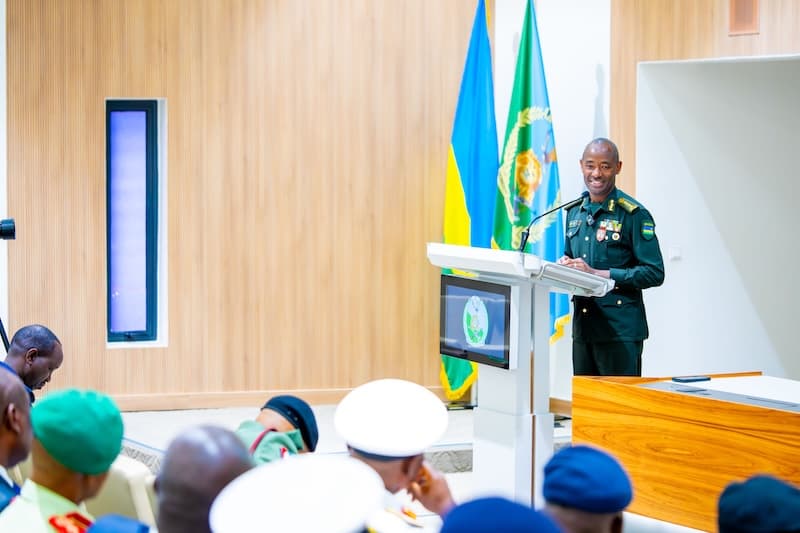
Decision practice
Compare strategic options and make defensible choices.
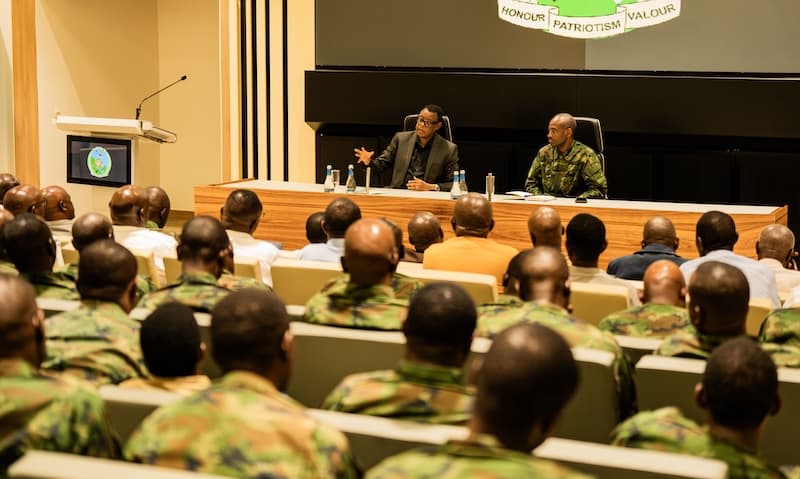
A distinctive teaching facility for exploring strategic choices, institutional coordination, uncertainty, and consequences.
Learn MoreWar gaming moves participants beyond describing a problem. They must choose, prioritise, coordinate, adapt, and examine the consequences of action.
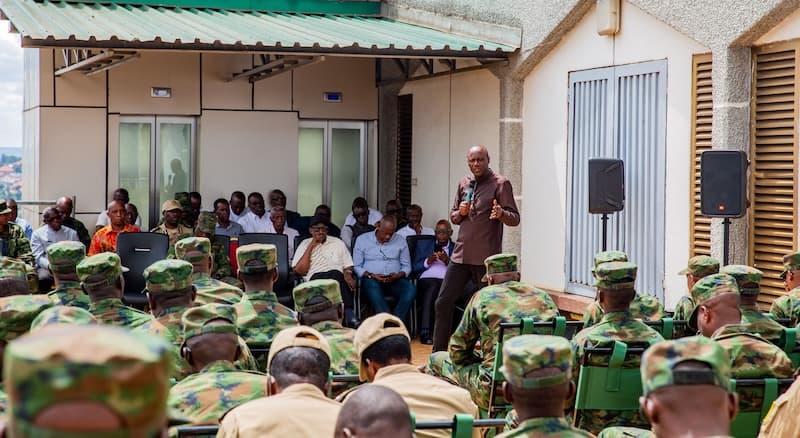
Compare strategic options and make defensible choices.
Trace interactions, dependencies, risks, and second-order effects.
Work across institutional, professional, and national perspectives.
Use evidence and after-action review to strengthen judgment.
Each exercise is built to serve academic objectives rather than technology for its own sake.
Define the strategic problem, objectives, assumptions, and operating environment.
Participants assess options and make decisions under time, information, and resource constraints.
The scenario develops, exposing interaction, second-order effects, and institutional dependencies.
Structured after-action review connects decisions to evidence, theory, and future practice.
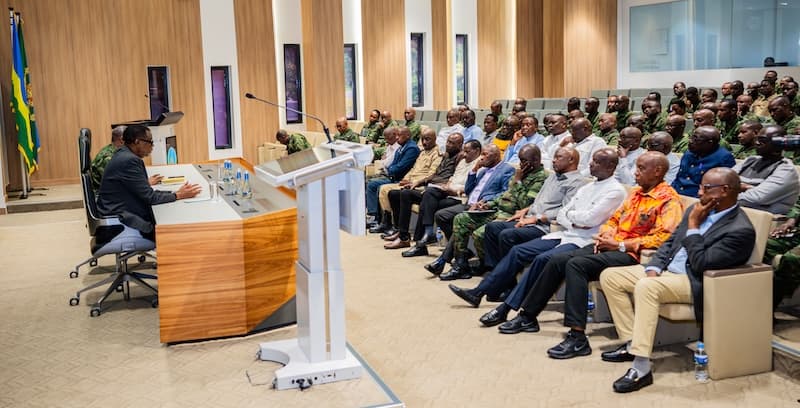
National crisis coordination and continuity
Regional security and multinational cooperation
Strategic resource allocation and capability choices
Information, technology, and decision advantage
Humanitarian, stabilisation, and civil-military coordination
Exercise themes are illustrative and will be aligned to approved curriculum outcomes, participant needs, and institutional priorities.
Exercises reinforce seminar learning, research, and the programme's strategic focus.
Faculty and facilitators guide scenario progression, observation, and structured learning.
Participants bring different institutional and national perspectives into a shared exercise.